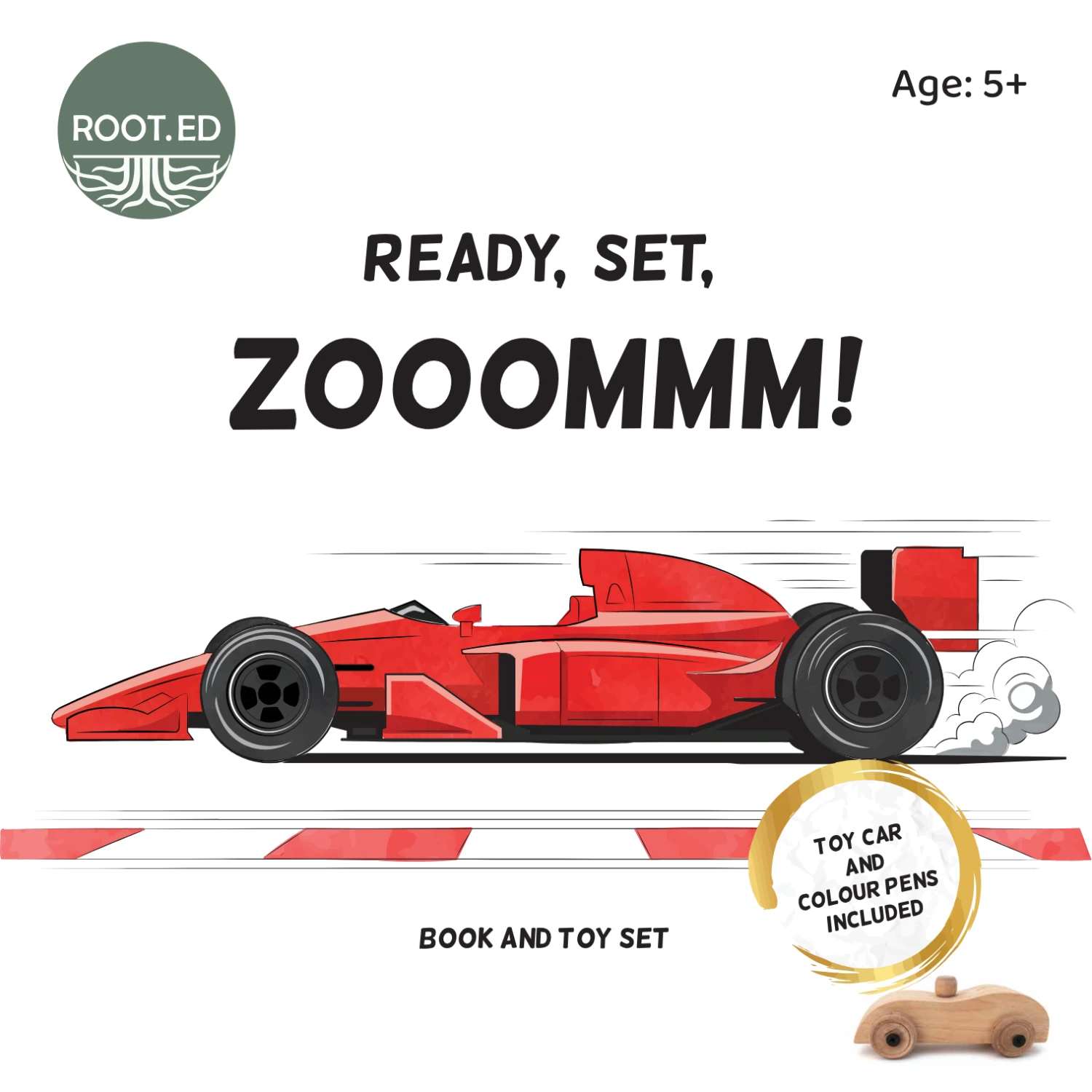
Ready, Set, Zooommm!
A three-book series using race cars as a way into emotions, helping children recognise, understand, express and manage what they’re feeling.
ExploreLearning to Be. Learning to Belong. Learning to Become. Through books, games and lived experiences, we create ways for children, young people and families explore what it means to truly know ourselves, relate to one another, and find our place in the world.
Our rootsFor inspiration, we didn't have to look very far.
We have the Laligurans (Rhododendron), Nepal's national flower. What caught our attention was not just the flower, but what sits underneath it. Its roots spread wide beneath the ground, anchoring the plant and helping it withstand the conditions around it. They also help sustain the life growing around it.
We think growing up is a little like that.
There is a lot of focus on what children should know and be able to do - what they can read, write, build, solve and achieve. Those things matter. But the fruits are only part of the picture. The roots matter too.
Children already come with curiosity, imagination and a capacity to learn and adapt. As they grow, their experiences help shape their character, values, relationships and the choices they make. When those roots are strong, children have more to draw on when life gets difficult. They can know themselves, find their footing, build healthy relationships and care for others. They can grow with a sense of purpose, in their own way and on their own terms.
We can't control every experience a child will have. But we can be thoughtful about the ones we create, giving them space to ask questions, try things out, make sense of what happens and find their own way.
That's the spirit of Root.ed.
How we think and design
We learn from what happens to us, from the people around us, from the stories we hear and from the ideas we're exposed to. Over time, we begin to make sense of these experiences in our own ways. And the meaning we make can shape how we think, feel, learn and act.
Children are naturally good at asking questions. Why? How? What if? They ask because they want to understand. We think there is value in keeping that curiosity alive and helping people get better at asking questions that open up new ways of seeing.
Learning happens all the time. But we can be more deliberate about what we learn from it. For us, intentional learning means knowing why something matters, how it connects to what we already know and experience, and what we might do with it.
It starts with a question, and keeps coming back.
At the core
Who am I?
The questions we return to change as we grow.
We come back to them throughout our lives, and our answers change as we grow.
01
Notice what you feel. Understand what matters to you. Make sense of your experiences.
We make learning meaningful and memorable.
A story can give us a way into a conversation or help us make sense of a feeling. A game can make us think about how we work together, the choices we make and what happens next. A conversation can open up a question we hadn't considered. A workshop can give us the chance to try something out and learn from what happens. So we make books, games, stories, workshops and lived experiences for children, young people and families.
A three-book series using race cars as a way into emotions, helping children recognise, understand, express and manage what they’re feeling.
Explore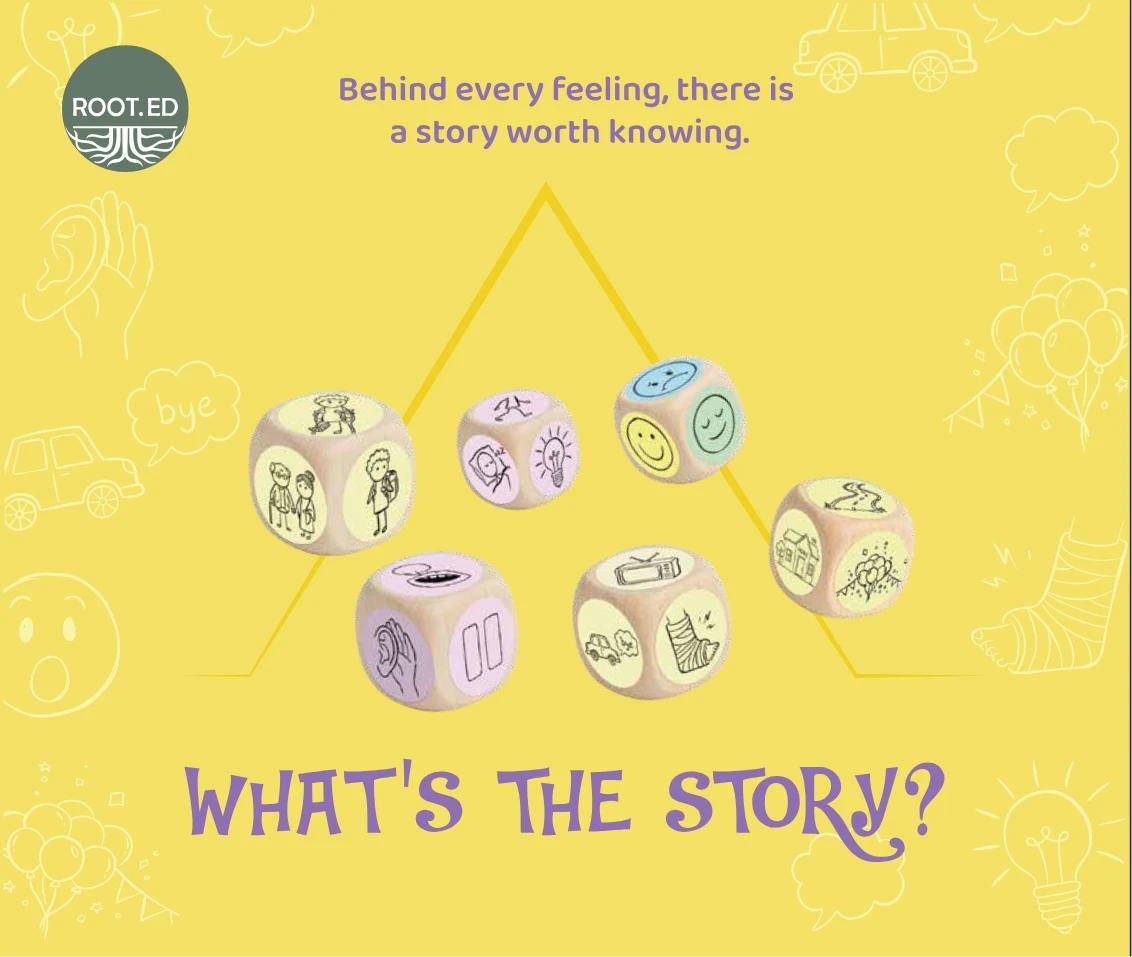
A storytelling game for everyday moments. Behind a big feeling, there is a story. And, you have a choice in how it ends. The game invites children to explore what happened, how someone might be feeling, what could help, and what might happen next.
Explore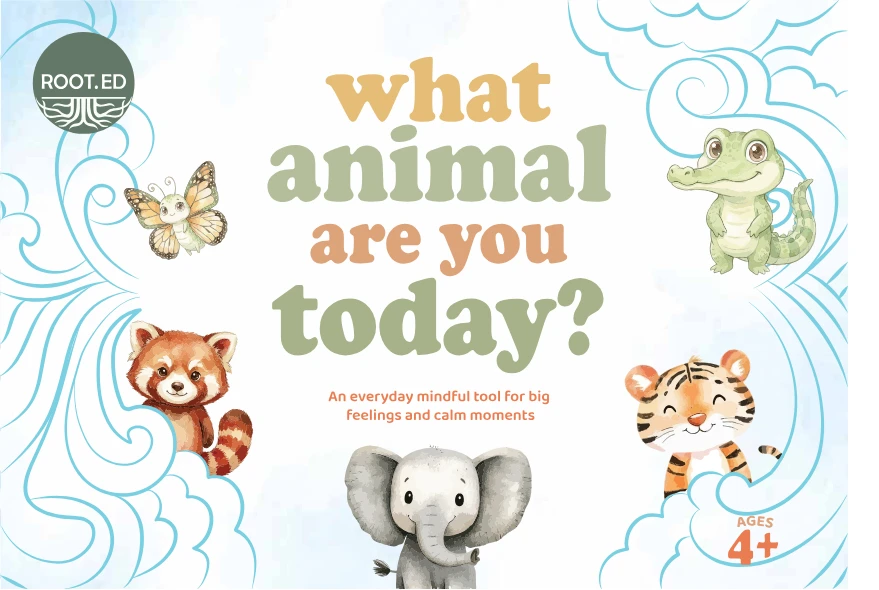
Emotion and mindfulness cards using animals and nature to help children notice, name and talk about how they feel.
Explore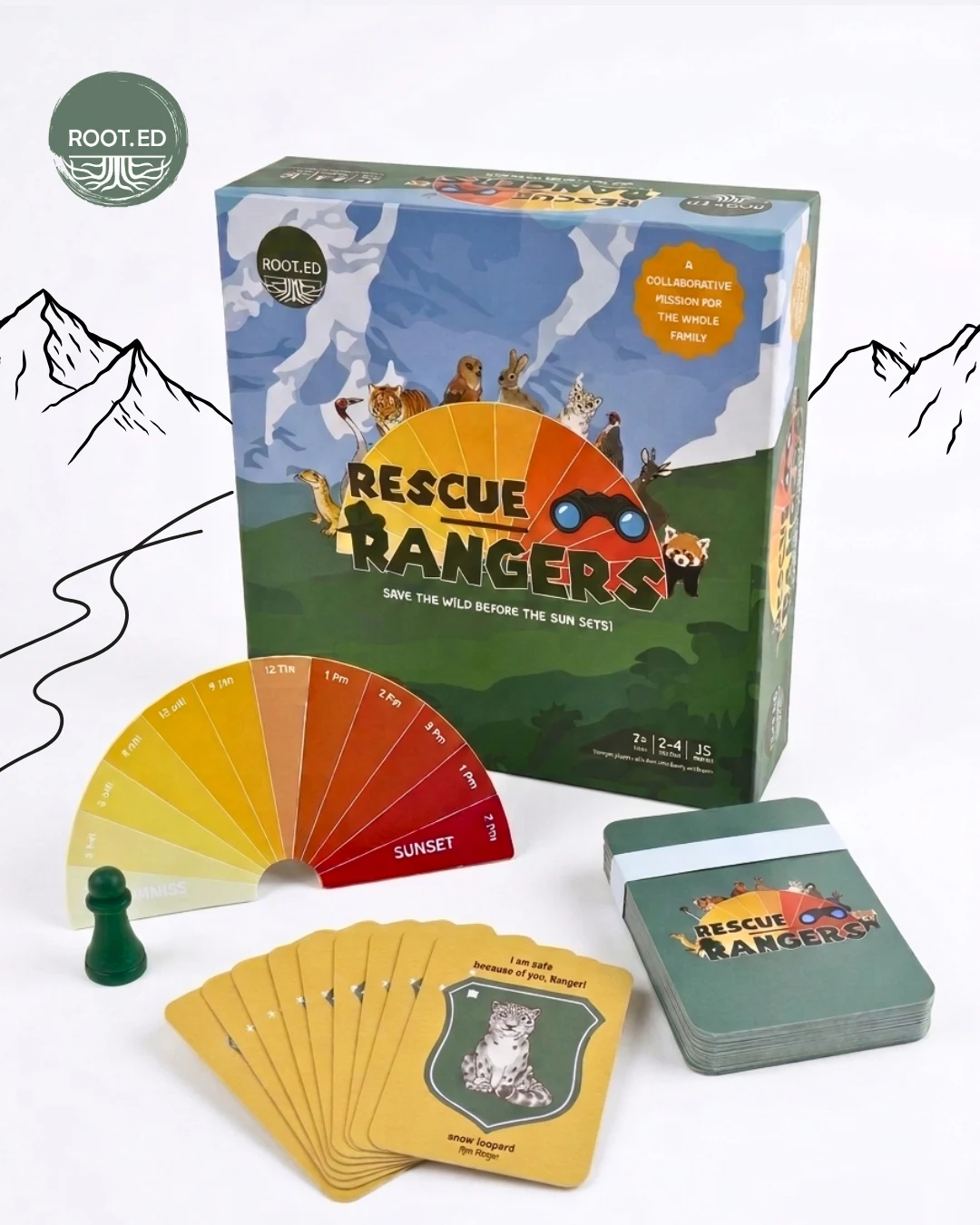
A cooperative tabletop game inspired by Nepal’s wildlife and landscapes. Children work together to rescue threatened species while learning more about the animals and habitats around them. A game about wildlife, cooperation and caring for something beyond ourselves.
Explore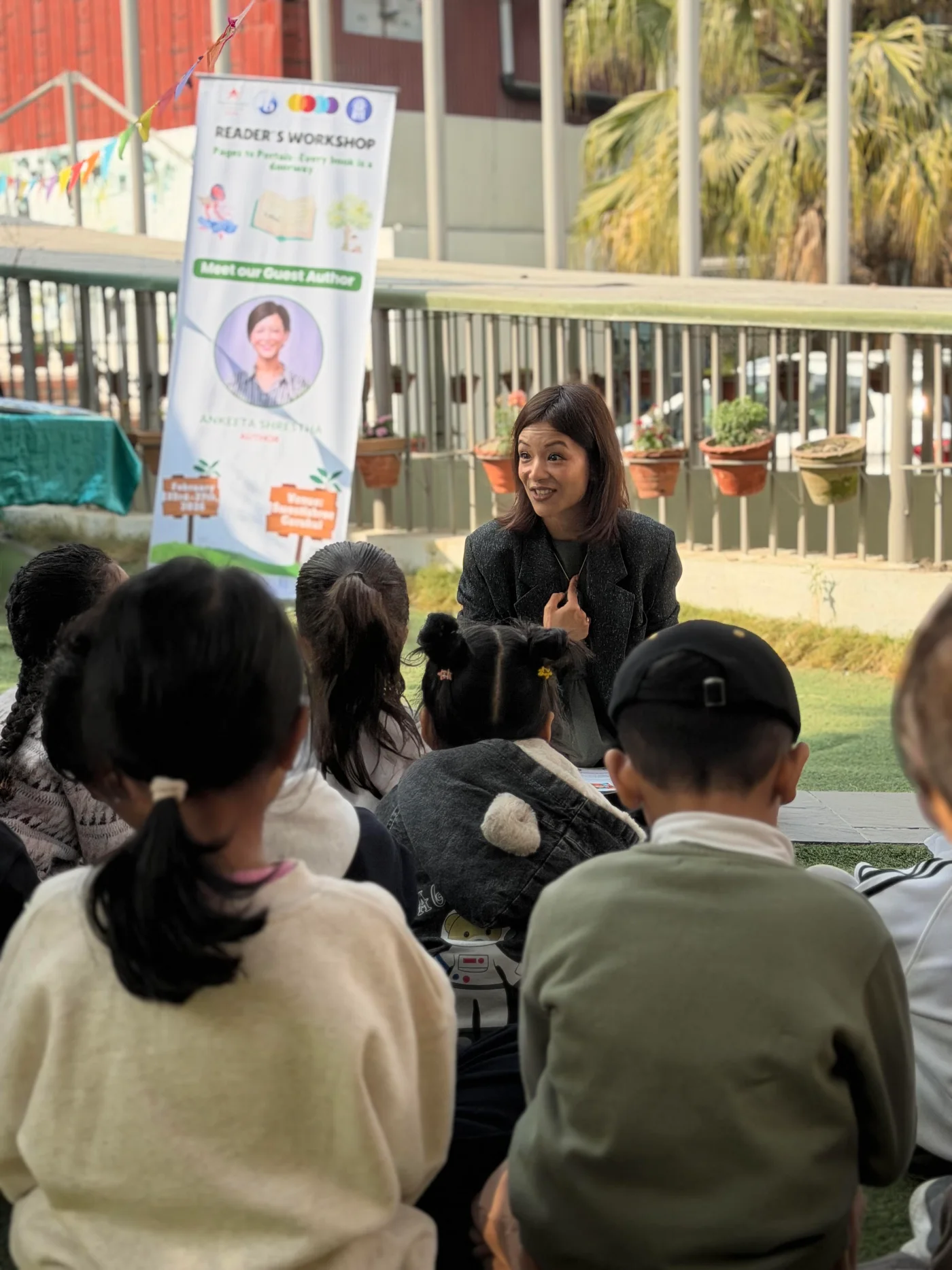
Spaces for children to imagine, create and share stories while practising communication, listening and finding their own voice.
ExploreNAVIGATE is a guided learning experience that gives young people practical ways to work through these kinds of situations. Through real-life questions, simple thinking tools and conversation, participants learn to look beneath the obvious, question their assumptions, consider different possibilities and identify what they can do next. The intention behind these learning sessions is to help young people make better sense of uncertainty and turn new ways of seeing into thoughtful, intentional action.
Explore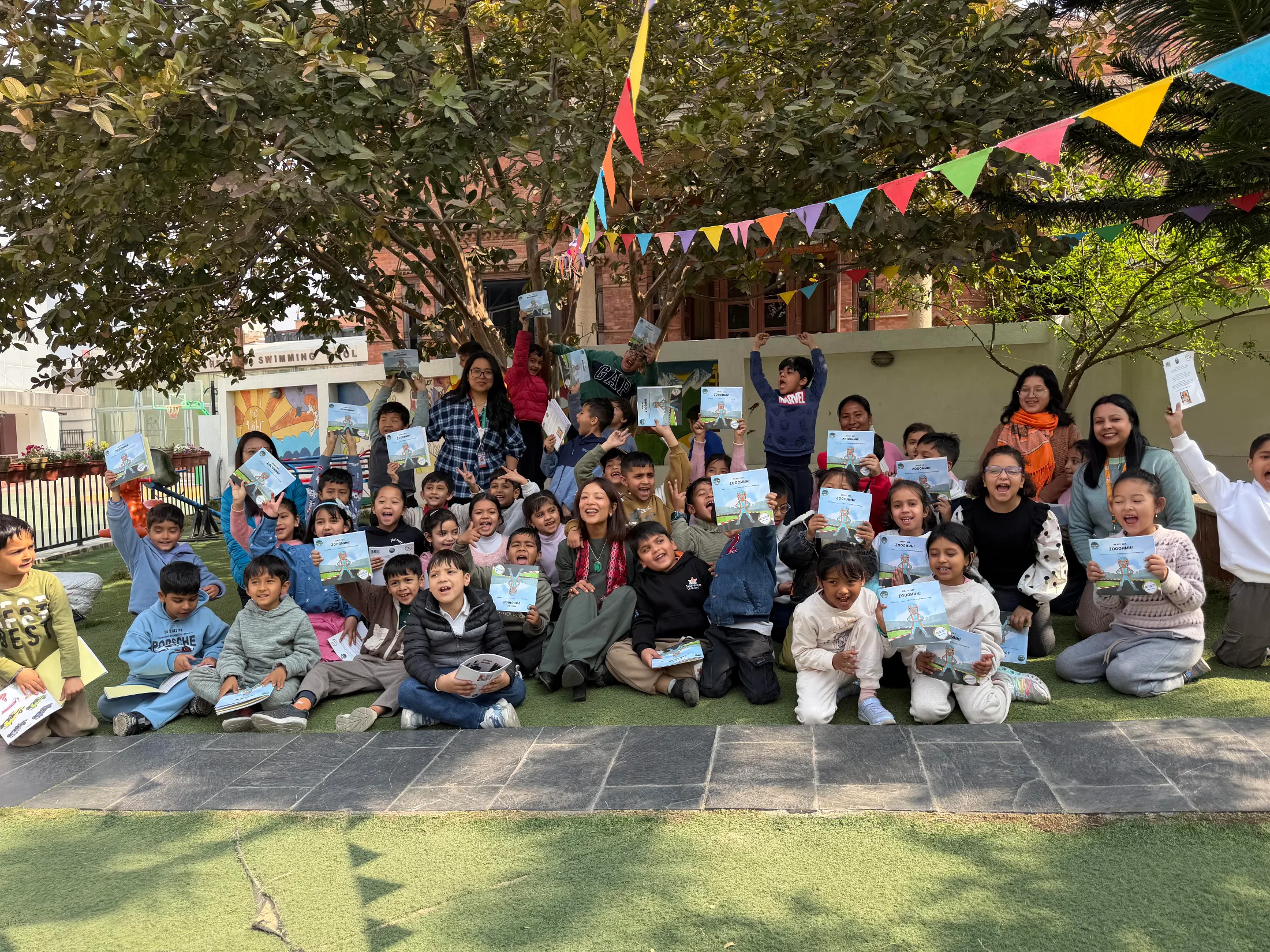
Inspired by its people, places, stories, cultural and natural heritage.
People who know themselves.
Who feel connected to where they belong.
Who care. Who think before they act.
Who know they have something to contribute.
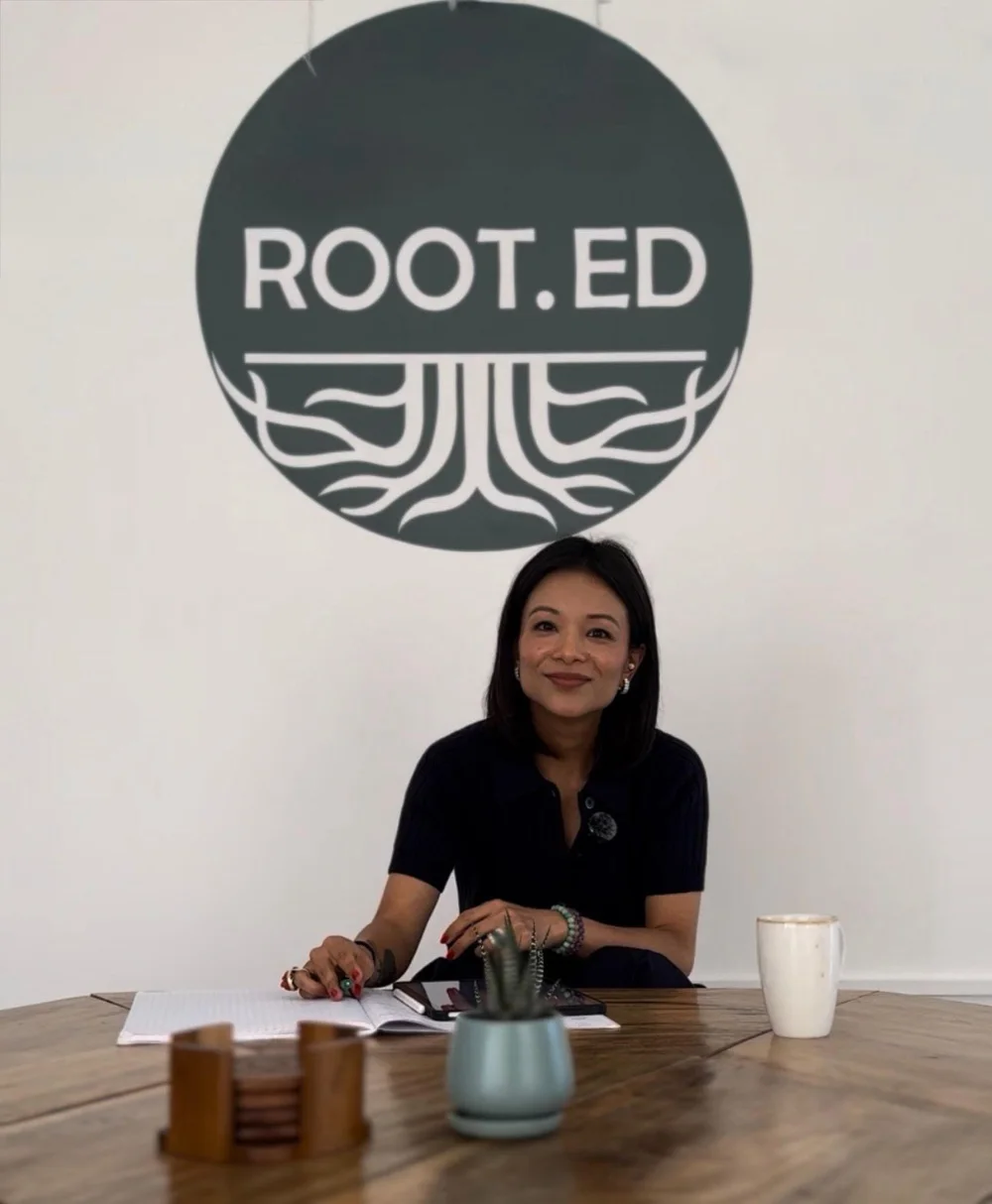
Ankeeta Shrestha · Founder & Learning Curator
I've spent the last 15+ years working in international development, starting with community-based work in Nepal and parts of India, and later moving into research, strategy, policy and organisational learning across education and health. Much of that work has been about change. How do people change? How do organisations learn? Why do some ideas take hold while others don't?
Over the years, my work took me from communities to systems. It made me think a lot about what shapes people's lives: the opportunities we have, the expectations we grow up with, the people we learn from and the systems we're part of. But I kept coming back to a more personal question:
That led me to think more about the everyday experiences that shape us long before we enter a workplace or an institution: the conversations we have, the stories we hear, the questions we're asked, the things we're encouraged to notice and the things we get to practise.
And that's where Root.ed came from. It's a space where I can bring together my work in learning and systems thinking with my curiosity about children, young people and how we make sense of ourselves and the people and places around us.
I don't think there is one formula for how people should grow.
I do think we can create better conditions for people to question, explore, connect and find their own way forward.
That's what I'm trying to build with Root.ed.
Some of our work starts with an idea.
Some start with a problem.
Some start with a simple: "I wonder if we could..."
We're always interested in seeing where that conversation goes.